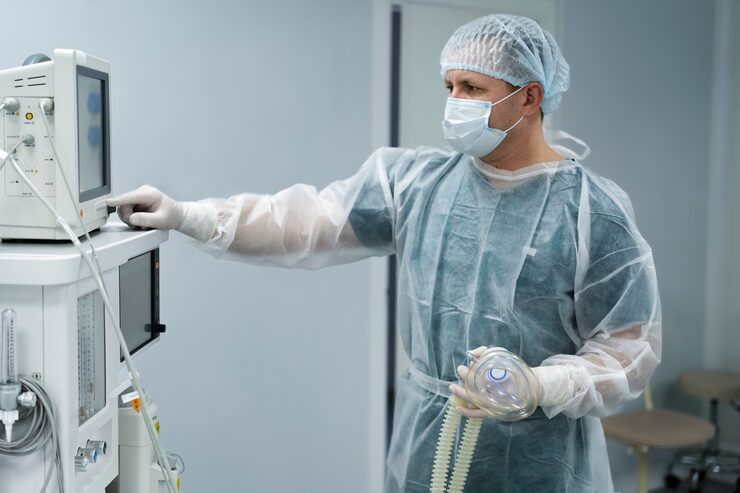
The safety and performance of medical devices are the foundation of patient health and safety.
Risk-Based Approach
Regulatory Compliance and Traceability
Process Control and Validation
Supplier and Distributor Management
ISO 13485 is a specialized quality management system standard developed specifically for medical device manufacturers, designers, and distributors. This standard provides comprehensive requirements designed to guarantee the safety, efficacy, and quality of medical devices. Throughout the entire product life cycle—from design and production to storage, distribution, and end-use—it imposes strict controls and traceability requirements. It is one of the fundamental prerequisites for trading medical devices in the global market and is widely recognized by regulatory authorities.
Risk-Based Approach
It mandates the proactive assessment, control, and monitoring of risks that may arise during the design, manufacture, and use of your medical device.
Regulatory Compliance and Traceability
It offers a systematic framework that facilitates compliance with the relevant medical device regulations (such as FDA, CE Medical Device Regulation/MDR, etc.) of every country where your product is sold.
Process Control and Validation
It guarantees consistent product quality by requiring all your production, sterilization, storage, and distribution processes to be strictly documented, controlled, and validated.
Supplier and Distributor Management
It offers a systematic framework that facilitates compliance with the relevant medical device regulations (such as FDA, CE Medical Device Regulation/MDR, etc.) of every country where your product is sold.
Frequently Asked Questions
Is ISO 13485 a legal requirement?
While it is not a law itself, the EU Medical Device Regulation (MDR) and regulations in many countries require manufacturers to have a quality management system compliant with this standard. Therefore, it is effectively mandatory.
What are the fundamental differences between ISO 13485 and ISO 9001?
ISO 13485 is specific to the medical device sector; it includes much more specific and stringent requirements regarding regulatory compliance, risk management, product traceability, and validation. The concept of “continuous improvement” is more limited in ISO 13485 compared to ISO 9001.
What does "validation" mean and why is it important?
Validation is the high-level demonstration that a process (e.g., sterilization, software) will consistently produce results meeting its predetermined specifications. It is mandatory for critical processes because it is vital for patient safety.
What is the relationship between the Technical File and the Quality Management System?
The ISO 13485 QMS provides the framework and procedures that ensure the preparation, updating, and control of the Technical File. The Technical File contains the concrete data proving the safety and performance claims of the product. They are two complementary and essential elements.
We are only a distributor; should we implement this standard?
Yes; the standard also covers distributors. Requirements such as controlling storage conditions, ensuring product traceability, managing non-conforming products, and supplier evaluation apply to distributors.
Are clinical investigations within the scope of this standard?
Yes; it includes requirements for the planning, conduct, monitoring, and reporting of clinical investigations. The reliability and ethics of clinical data are of critical importance.